
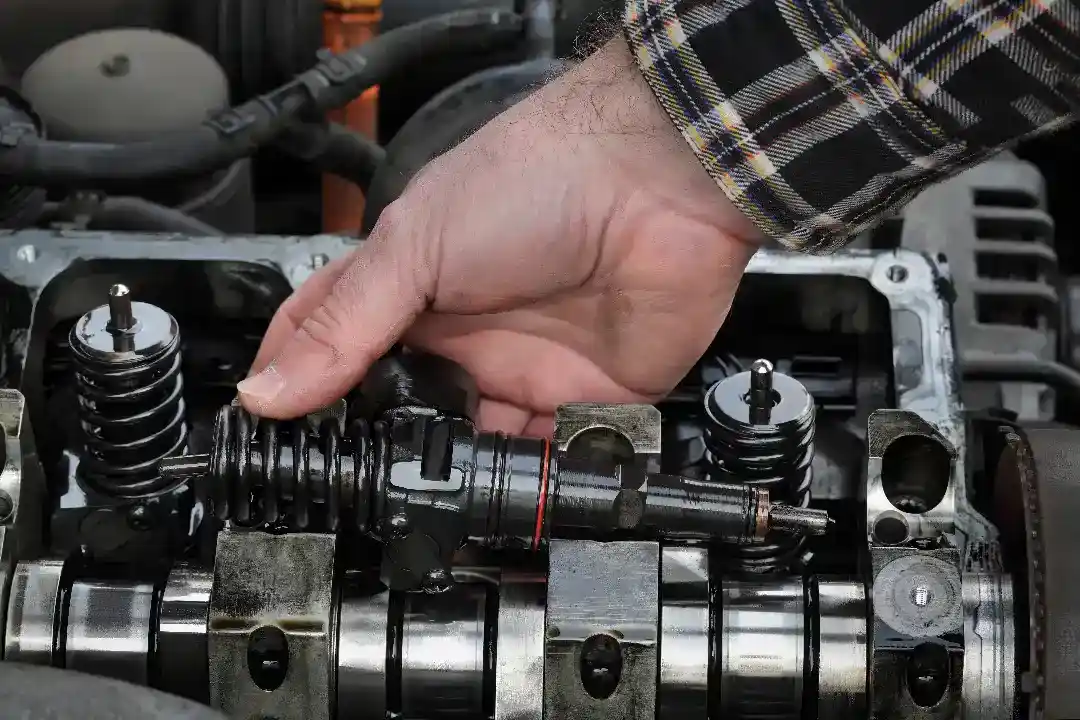
What is diesel injector cleaning?
Common-rail diesel injectors spray fuel at very high pressure in a precise pattern. Over time carbon, gum and diesel deposits build on the injector tips and through the fuel system, so the spray pattern degrades and the engine runs rough, smokes, loses power and uses more fuel. This is part of our diesel cleaning systems in Adelaide.
Cleaning runs a professional chemical and induction process through the fuel system and injectors while they stay in the vehicle, to restore the spray pattern rather than replacing the injectors. A bottle of additive helps maintenance, but a blocked or badly fouled system needs the proper process and a diagnosis behind it. Cleaning fixes injectors that are dirty or contaminated. It cannot fix an injector that has mechanically failed, and we will tell you which you are dealing with.
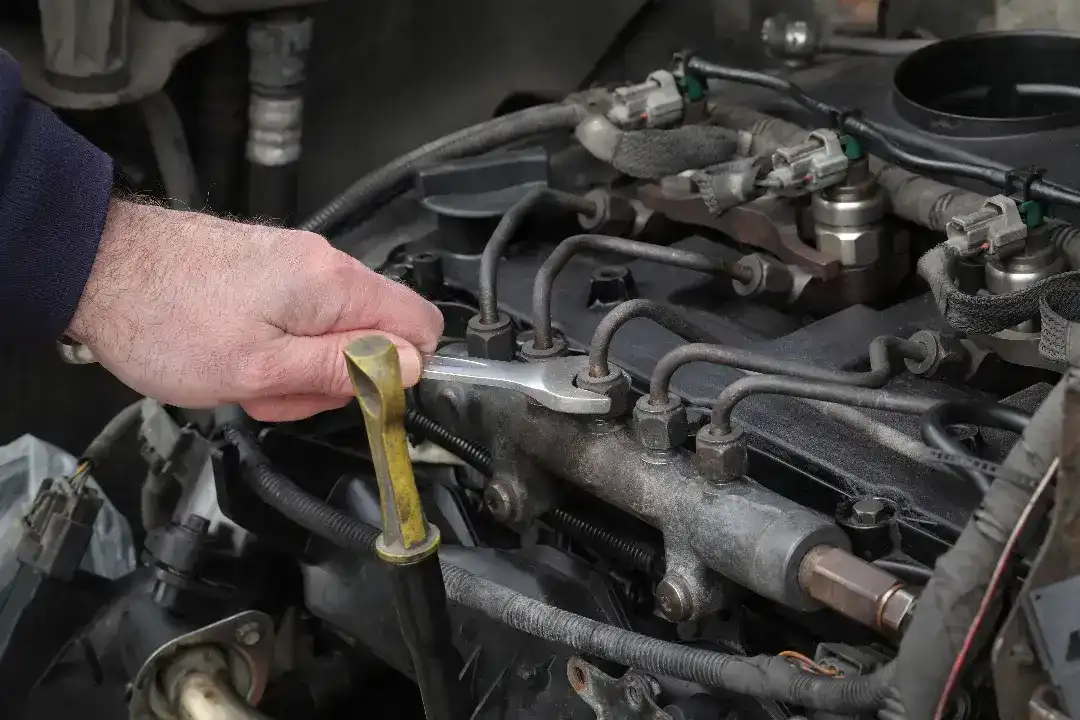
Signs your diesel injectors or fuel system need cleaning
- Rough or lumpy idle, especially when cold or first thing in the morning.
- Black or excessive smoke under load or on acceleration.
- Lost power, hesitation or poor throttle response, often with worse fuel economy.
- Hard starting or longer cranking than the vehicle used to need.
- A diesel knock or rattle that is louder than normal.
- A check-engine light or injector-related fault code.
- Water or contamination warnings, or a fuel filter that keeps clogging.
Several of these together usually mean it is worth a proper diagnosis before parts get thrown at it.
Diesel bug and fuel contamination
Diesel bug is microbial growth (bacteria and fungi) that lives at the water and fuel interface in a diesel tank, common in vehicles that sit, tow seasonally, or run lower-quality or stored fuel. It produces a sludge that blocks filters and fouls injectors.
We treat contaminated fuel systems: identify the contamination, treat and clean the system, and get the fuel side healthy again so it stops re-fouling the injectors and filters. A finer secondary fuel filter protects your injectors from water and particulate down to 2 micron, the upstream defence against this whole problem. Ask us about Elite 2-micron fuel filtration.
Should you clean or replace your injectors?
Clean when the injectors are dirty, carboned or gummed, or the fuel system is contaminated, and they still test within spec or close to it. Cleaning is far cheaper than replacement and often restores the vehicle.
Replace when an injector is mechanically worn or failed (internal leakage, seized nozzle, failed solenoid or piezo). No clean will bring that back. We test so we know which it is, rather than guessing.
We diagnose first, then quote. As an RAA Approved Repairer we will not charge you for parts you do not need, and we photograph every job and show you the photos when you come in, so you see what we found and what we did. If replacement is the right call, we supply and fit quality injectors and get the vehicle running properly. The clean is not a dead end, it is the diagnosis. All work is fully guaranteed (a 12-month or 20,000km service warranty).
Part of keeping your diesel healthy
A healthy diesel is a clean diesel end to end: clean fuel in, clean injection, clean exhaust out. A clogged or failing DPF often comes with the same poor combustion that fouled the injectors, so many vehicles benefit from both a fuel-side clean and a DPF clean. The broader diesel carbon and intake clean restores airflow and combustion. Once it is running clean, a custom diesel tune on our in-house dyno gets the most out of a healthy engine. We clean and fix first, then tune.
Diesel injector cleaning FAQs
Common signs are rough or lumpy idle, black smoke, lost power, hard starting, a louder diesel knock, poor economy or an injector fault code. Several together usually mean it is worth a proper diagnosis before replacing anything.
Yes, when the injectors are dirty, carboned or gummed, or the fuel is contaminated. Cleaning restores the spray pattern and often the vehicle. It cannot fix an injector that has mechanically failed, which is why we test first.
Usually far cheaper. Replacing a full set of common-rail injectors can run into the thousands, so a clean is the smart first step to try when the injectors are not mechanically failed. We diagnose and quote before any work.
Diesel bug is microbial growth at the water and fuel interface in the tank that produces sludge, blocks filters and fouls injectors. Yes, we treat contaminated fuel systems and can fit a 2-micron filter to help stop it coming back.
Additives help as ongoing maintenance, but a system that is already blocked or badly fouled needs the proper workshop clean and a diagnosis behind it. We will tell you honestly whether an additive will do or whether it needs more.
It depends on the vehicle, fuel quality and how it is driven. Short-trip and seasonal-use diesels foul faster. If you are noticing the symptoms above, that is the trigger, rather than a fixed interval.